St. Charles Duck Example
St. Louis, Missouri
The Design Process
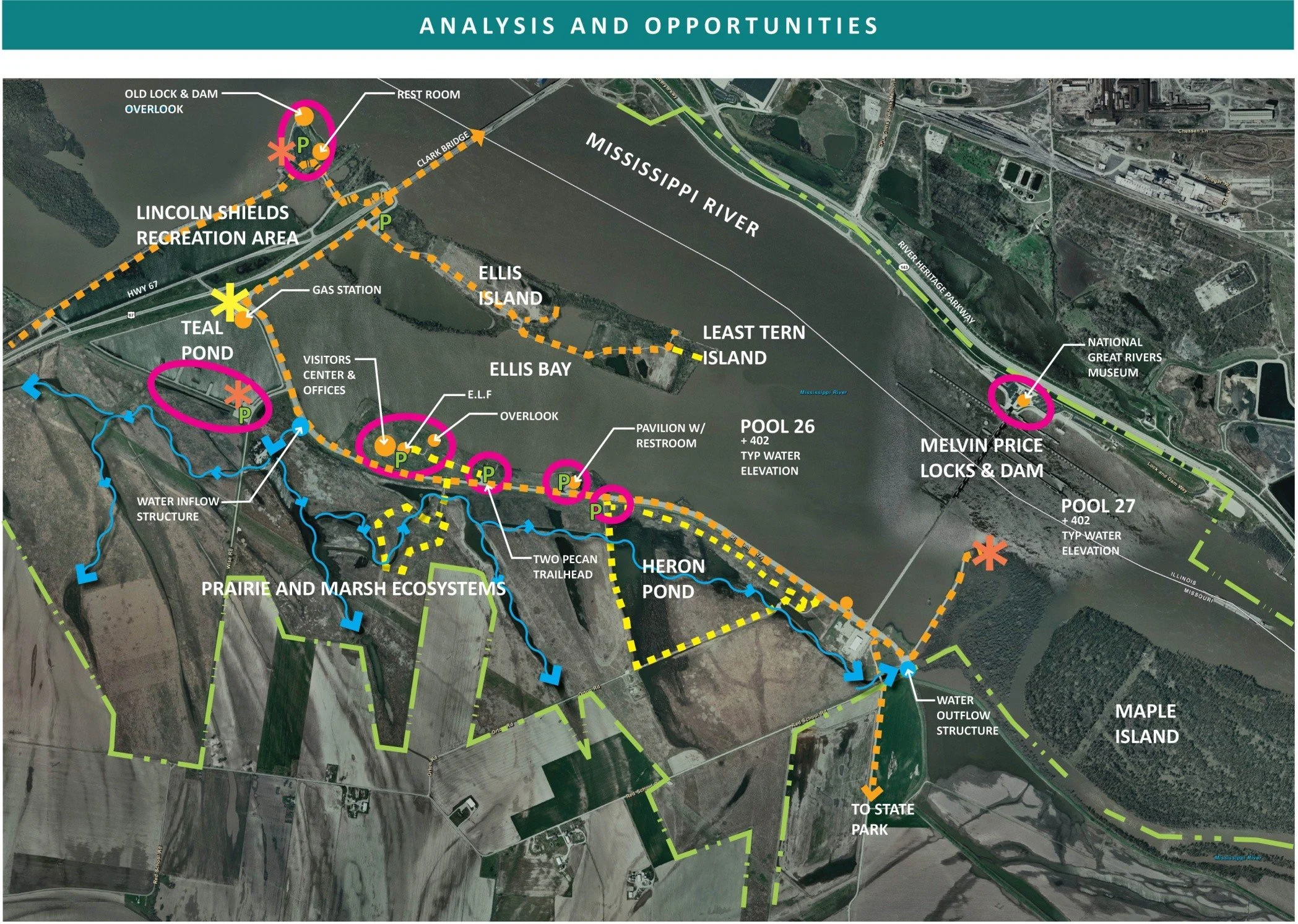
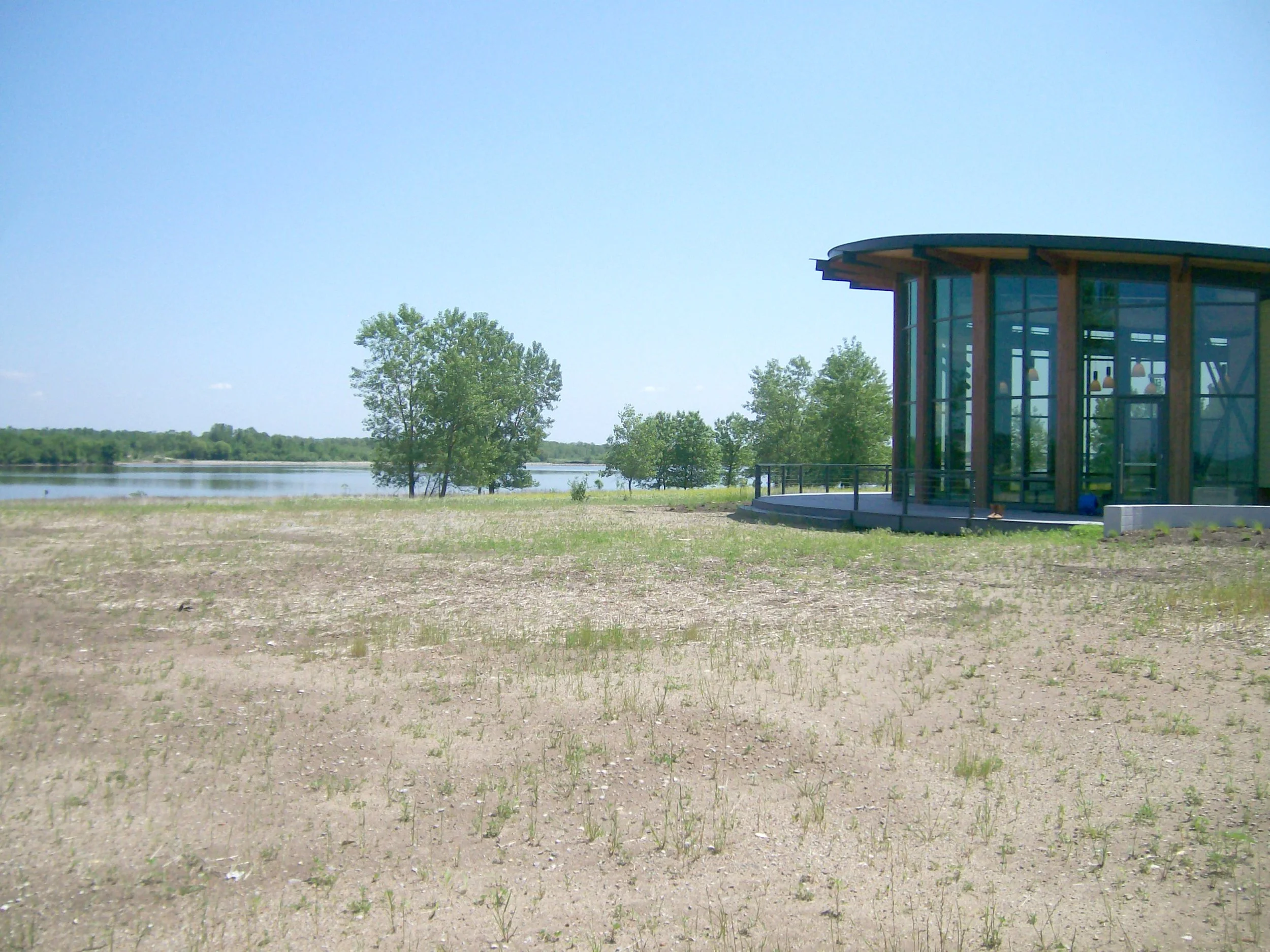
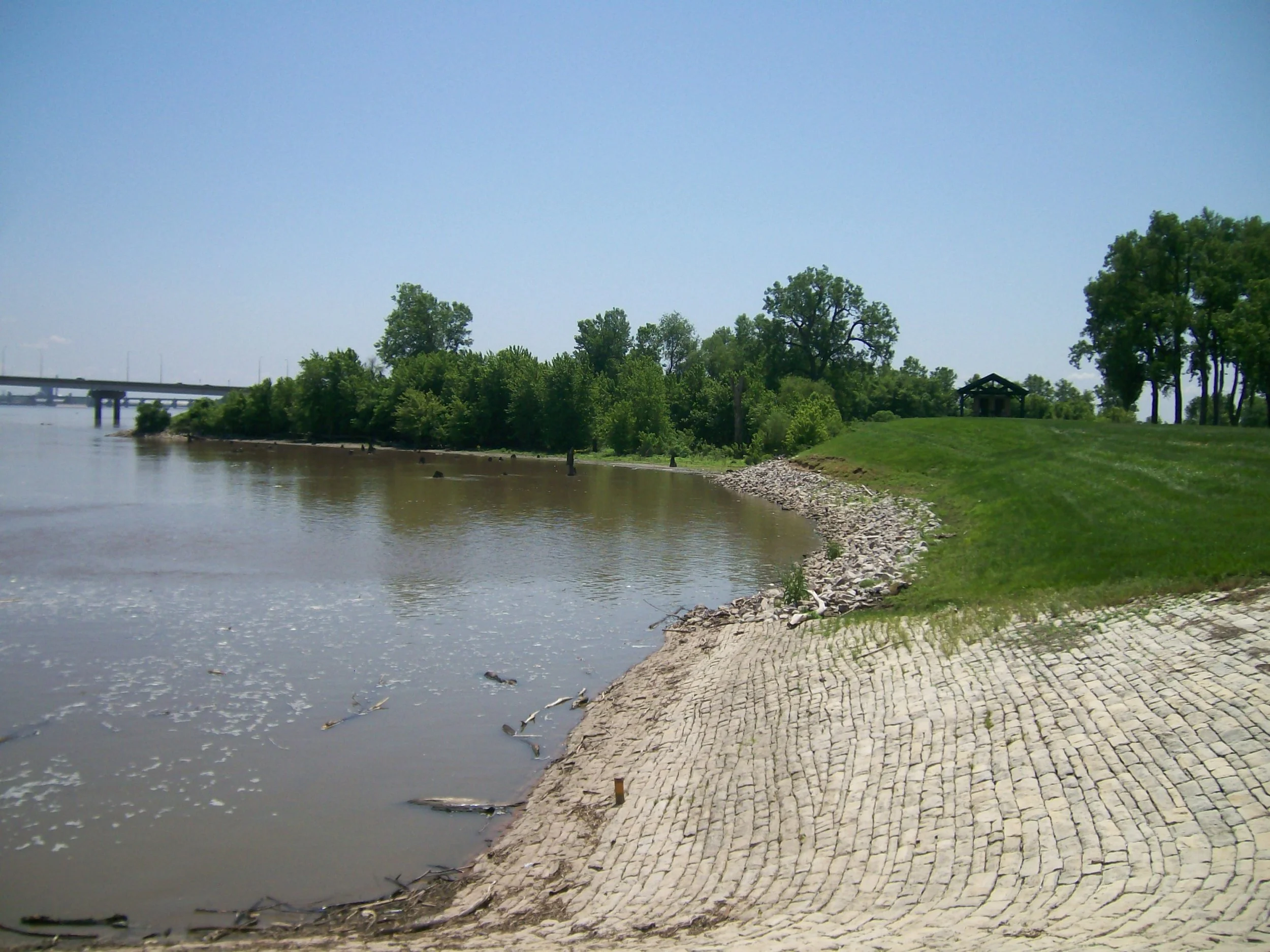
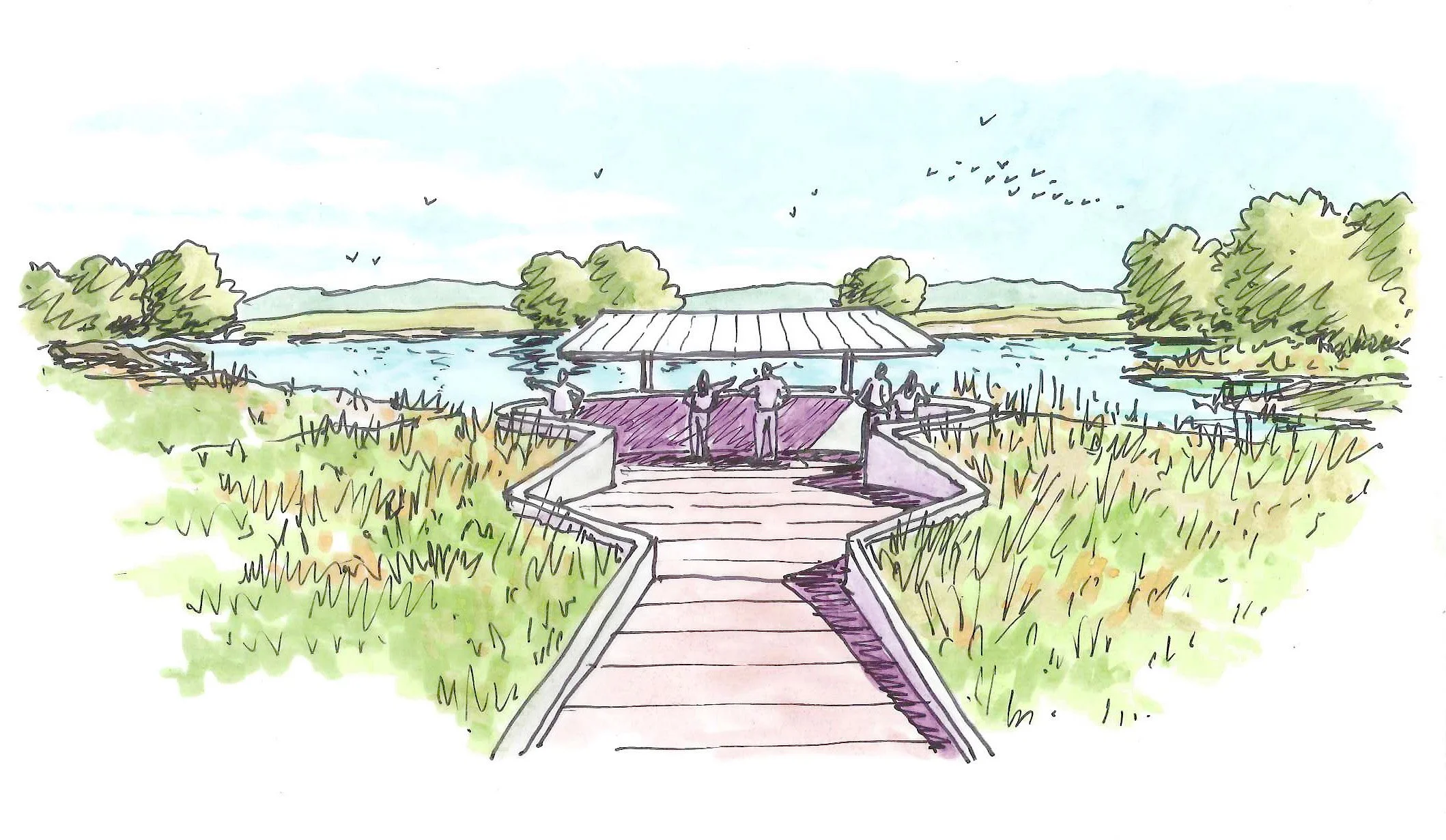
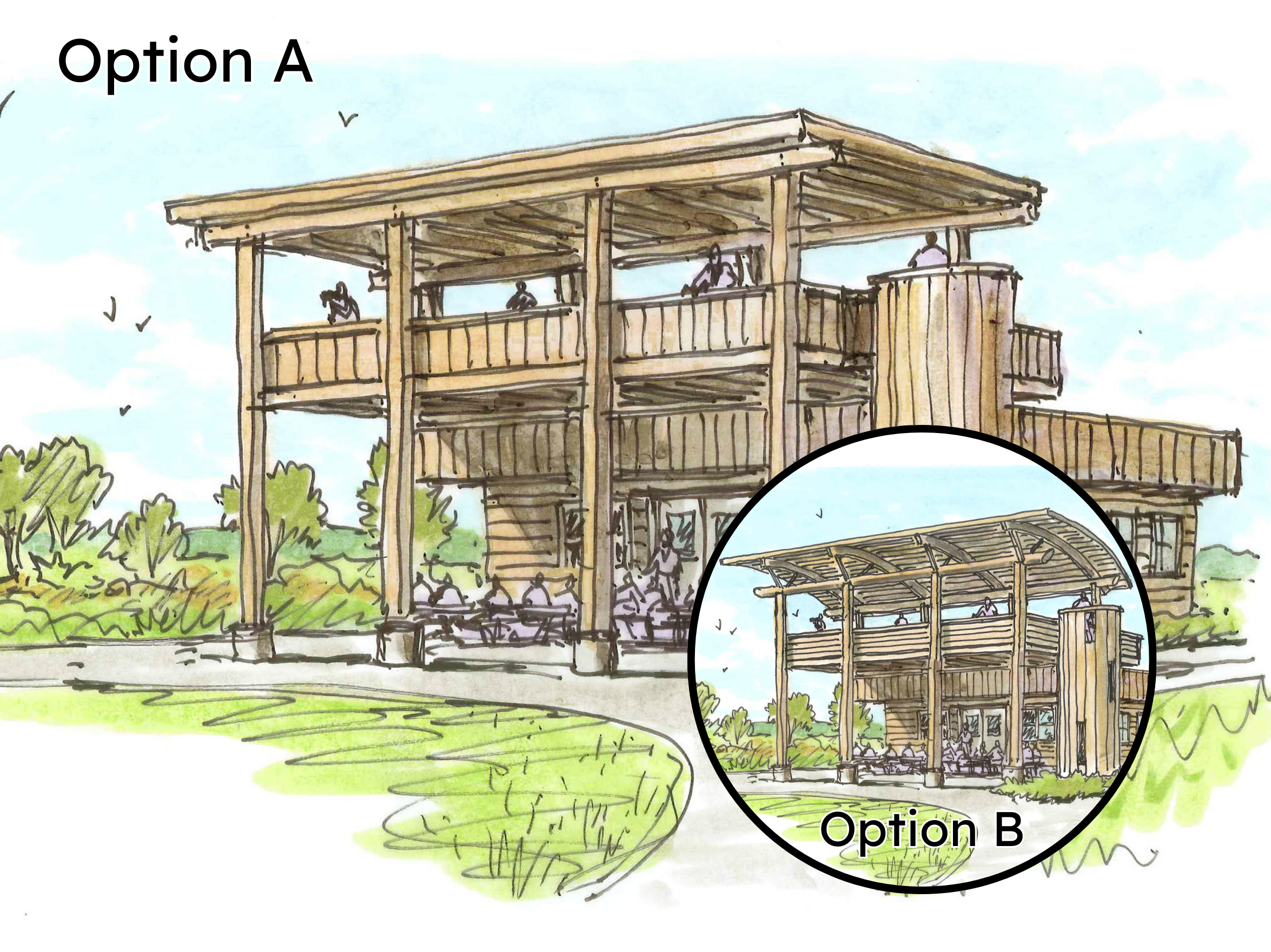
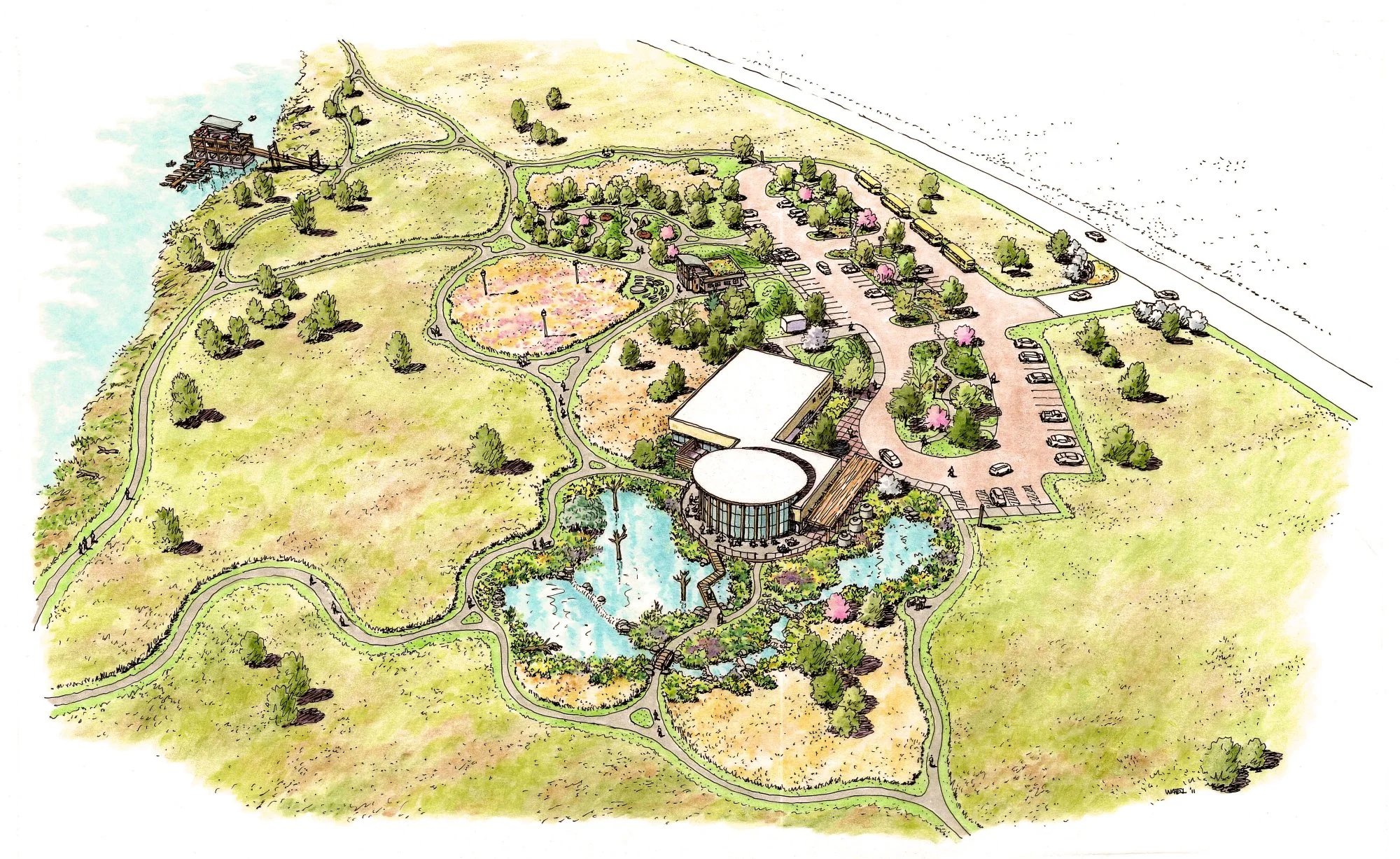
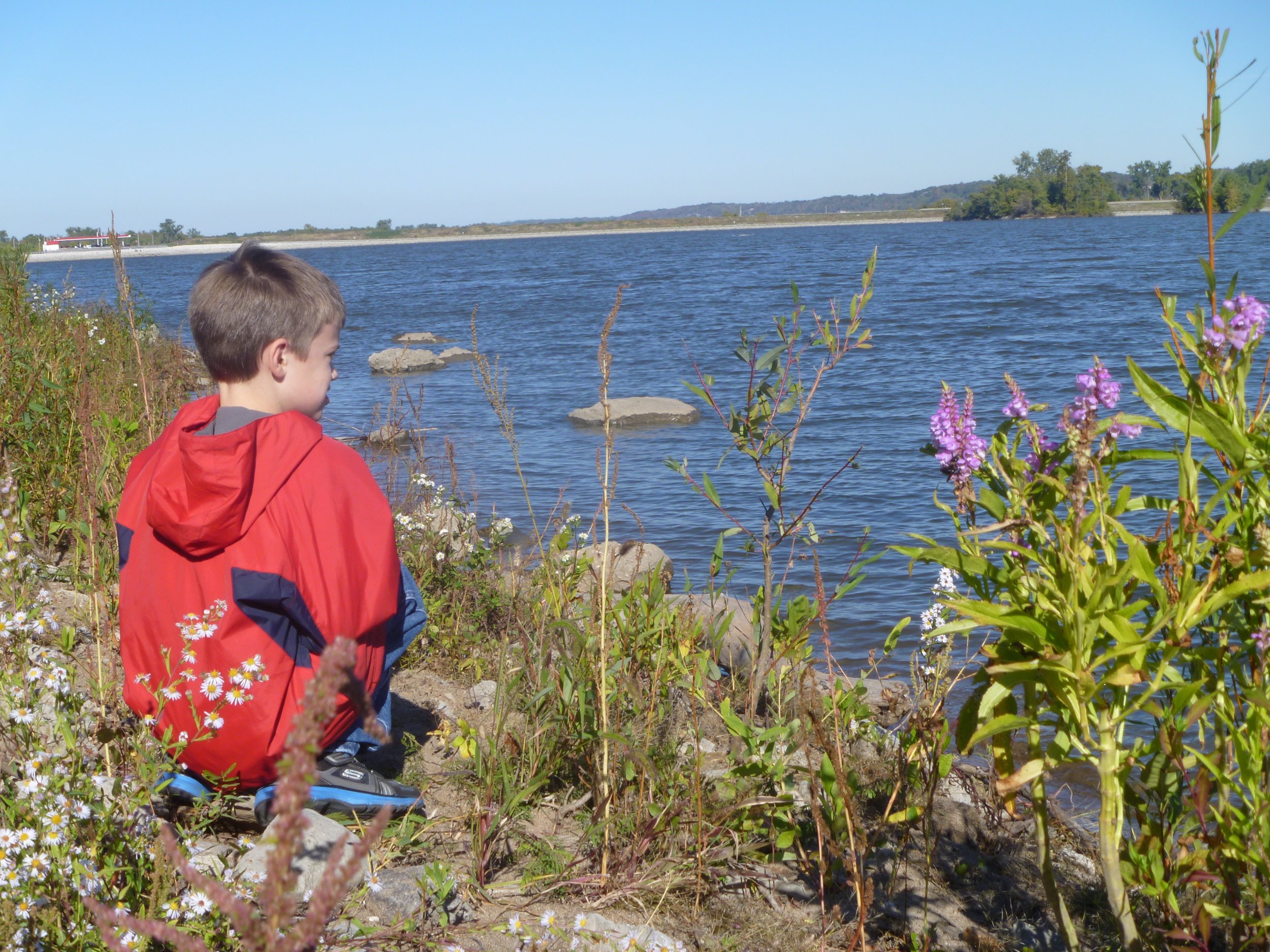
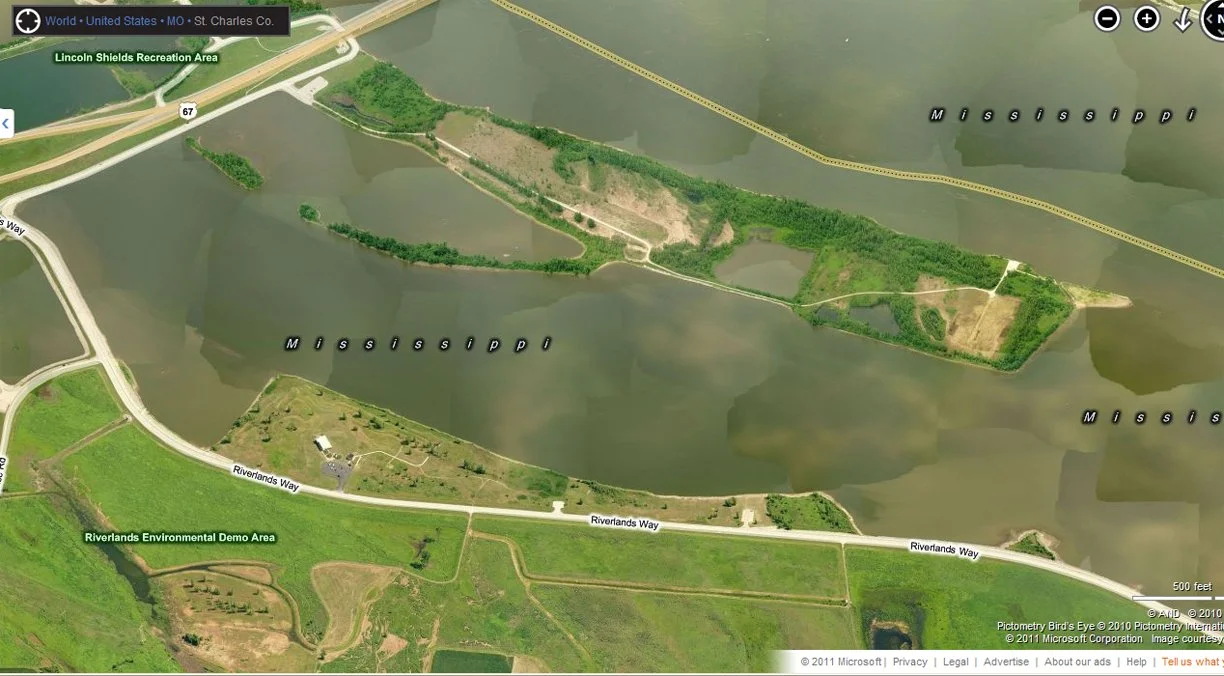
The Audubon Center at the Riverlands is sited in one of our world’s most geographically and biologically significant regions. The Center is integrated into the heart of the Army Corps of Engineers’ Riverlands Project conservation area. The conservation area lies midway along the Mississippi Flyway near the confluence of the Mississippi, Missouri and Illinois rivers. It encompasses 3,700 acres dedicated to land, river and bird preservation and is a critical resting point along the flyway for over 40% of North America’s bird population. The planning process for the site, conducted in 2011 by SWT Design in conjunction with the Audubon Society of Missouri and the Army Corps of Engineers, involved four phases: data collection, program development, concept design, and final design. The final site master plan is built upon and enhances the existing natural amenities and features of the site. It embodies the vision of the Missouri Audubon Society by helping draw visitors to the Center for a first hand experience of the birds, refuge area, and river. The plan improves way finding, develops a cohesive vocabulary for site amenities and embodies the Audubon brand. It provides opportunities to raise awareness and inform visitors with interpretive elements and educational nodes. Above all, the master plan helps to create a facility that respects the natural environment while providing opportunities for experiencing the refuge throughout the year. A new system of recreational trails links observation and study areas, while immersing visitors in the natural setting of the Mississippi River bottomlands and the native environment
From Concept to Implementation
“Every detail was thoughtfully executed. We're thrilled with the outcome.”
— Client at Riverlands Audubon Society
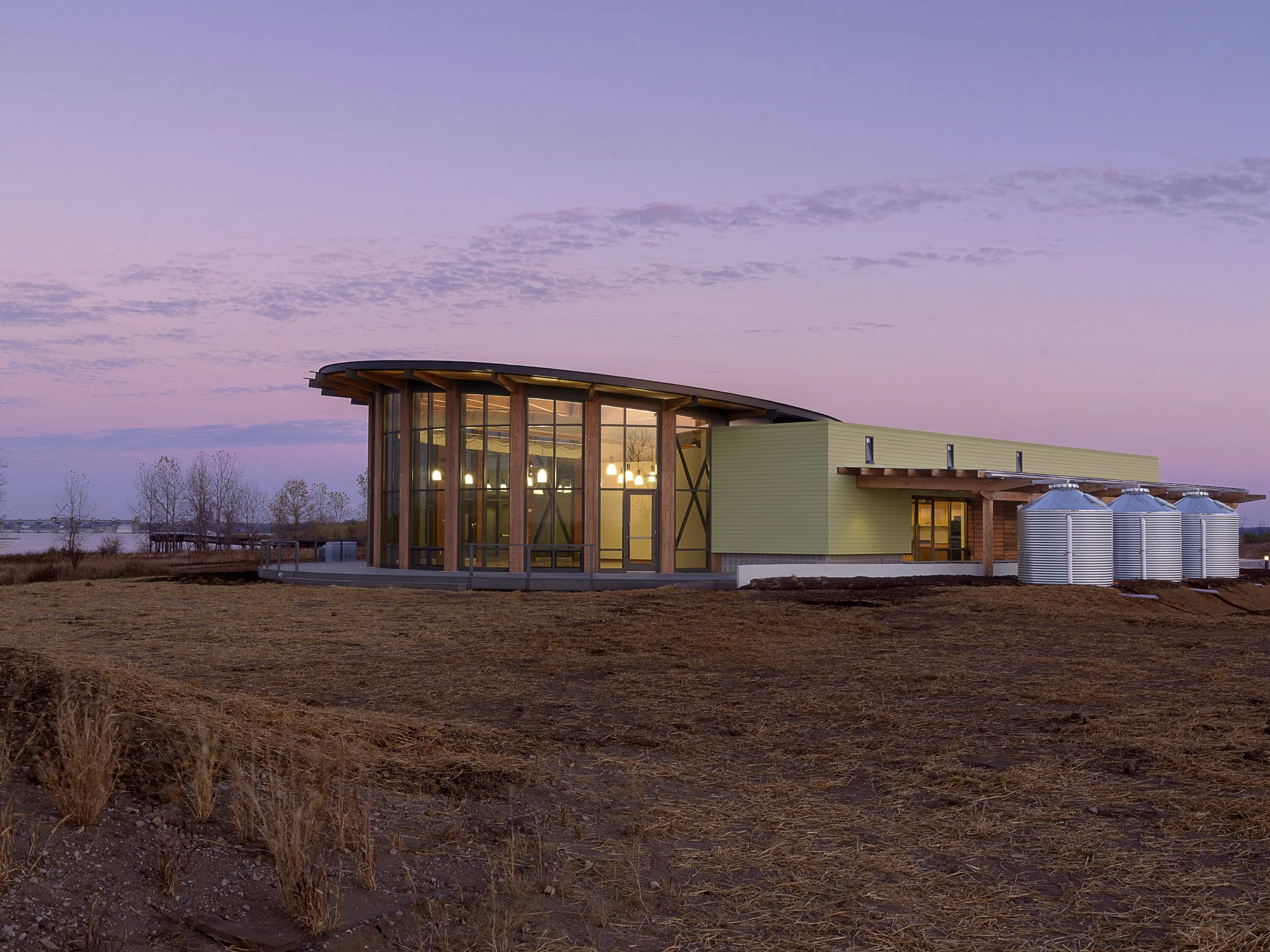
Today, the Audubon Center at the Riverlands has implemented the Master Plan, and serves 40,000 visitors, as well as 300+ Species of Birds.
Project Leadership & Relevant Experience
-

TED SPAID | PLA, FASLA
Project Lead
Ted brings nearly 40 years experience to SWT Design and the profession of landscape architecture. His vision is infused throughout the firm’s culture and philosophy of “LIVING DESIGN,” ever-challenging accepted standards and methodologies within the design industry. -

WES HAID | PLA, AICP
Project Manager / Senior Associate
Wes has deep experience in Landscape architecture. In addition, as a hunter and conservationist, he understands the unique challenges and opportunities of designing for Sportmen and Birdwatchers alike. -

Briana Coleman
Project Manager/Associate
Briana has long experience in bringing projects to life, and a deep love for ecology. She is passionate about the charismatic wildlife that rely upon the rivers to survive. Her passion is uniting diverse stakeholders.
Related Riverfront Experience
-
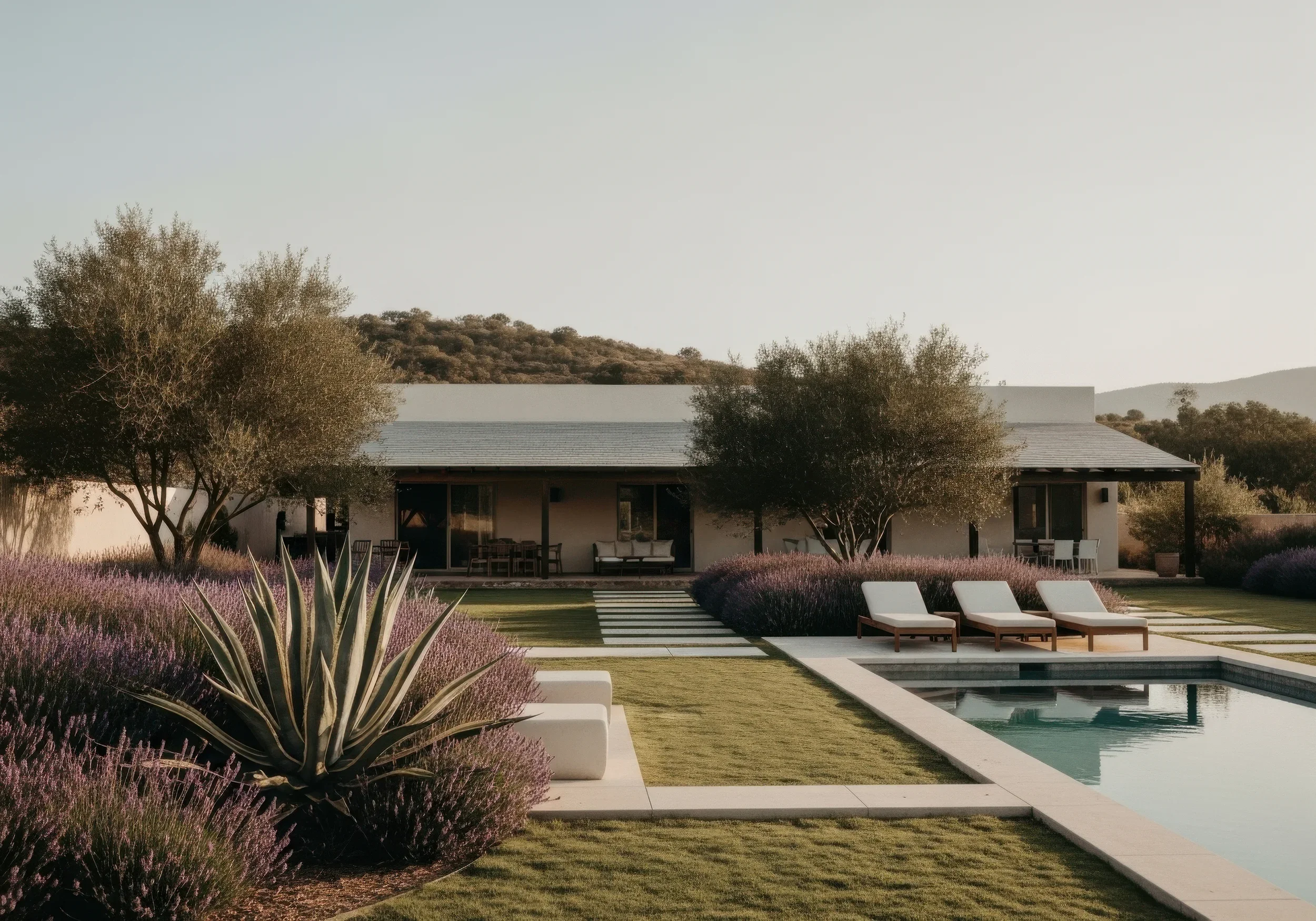
![Luxury outdoor backyard with a swimming pool, lounge chairs, and a modern house in the background, surrounded by desert landscape and trees.]()
The Atlas Project
It all begins with an idea. Maybe you want to launch a business. Maybe you want to turn a hobby into something more.
-
![Close-up of a sandy beach under shallow clear water with visible ripples and a few small stones.]()
The Echo Project
It all begins with an idea. Maybe you want to launch a business. Maybe you want to turn a hobby into something more.
-
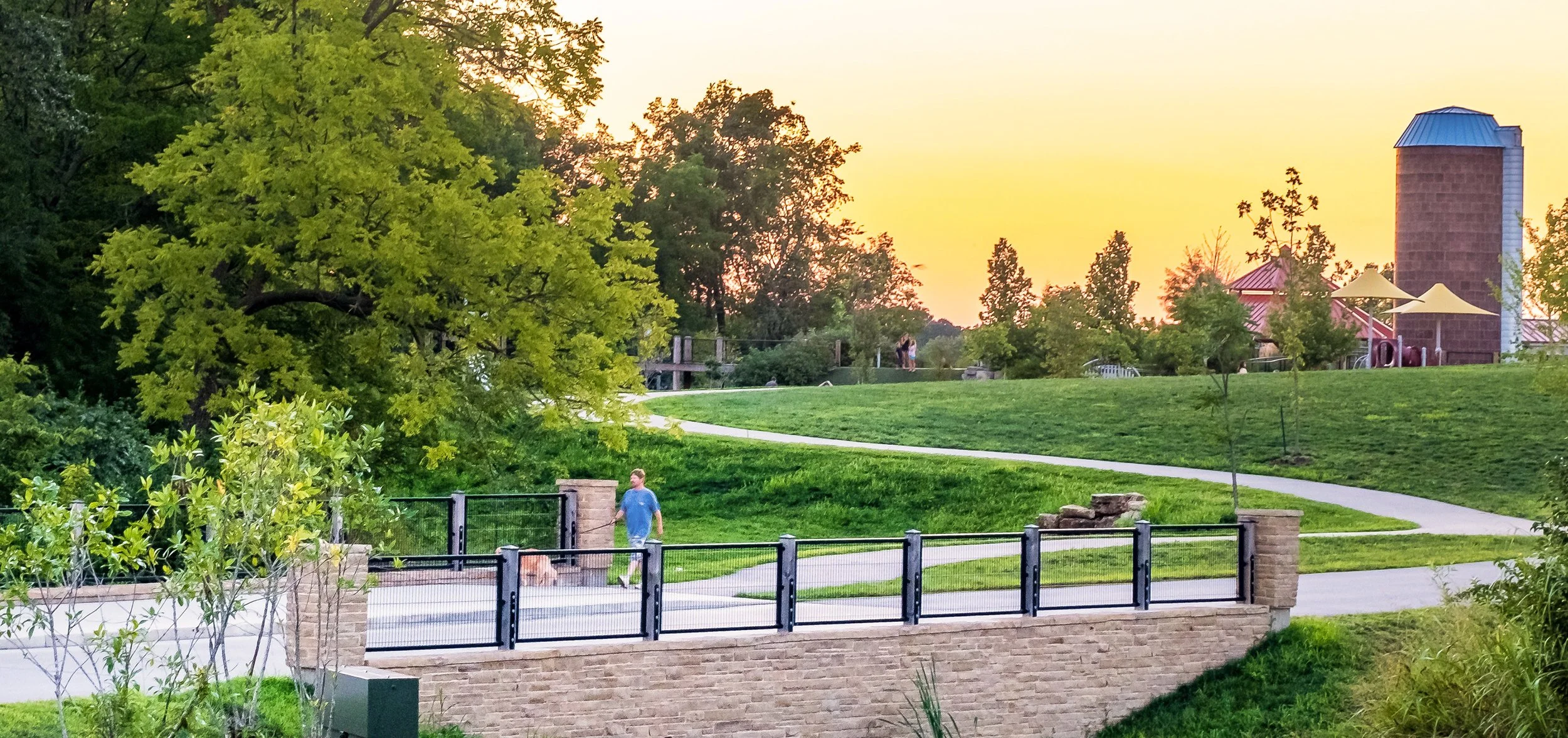
![A park with a green grassy hill, trees, paved walkways, a playground structure with a silo, and a person walking a dog at dusk.]()
New List Item
Description goes here